Selecting the best weather-resistant rubber is essential when products or components are exposed to sunlight, UV radiation, ozone, moisture, rain, and extreme temperatures. Not all elastomers perform well outdoors; some harden, crack, or degrade quickly. To ensure long-term reliability, it is important to choose rubber materials specifically designed for outdoor durability, UV resistance, and ozone resistance.
Below is a comprehensive guide to the best weather-resistant rubber types, what makes them suitable for outdoor environments, and how to choose the right material.
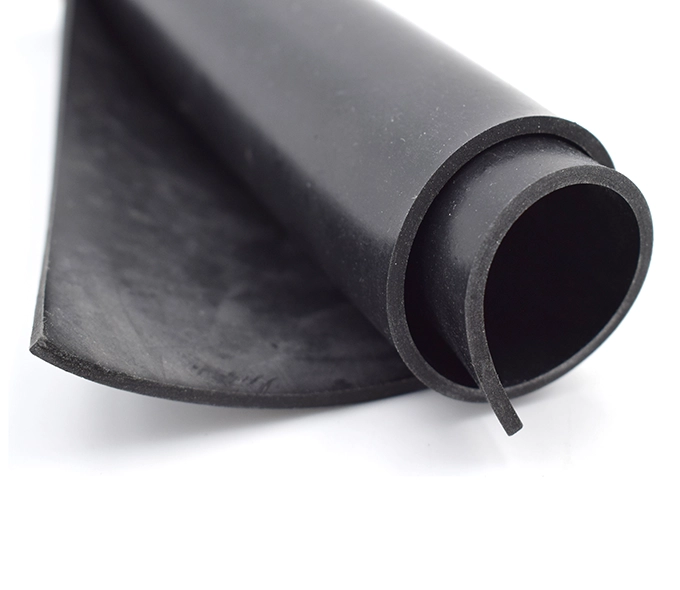
EPDM Rubber – Best Overall Weather-Resistant Rubber
Primary Choice for long-term outdoor exposure
EPDM (Ethylene Propylene Diene Monomer) is widely regarded as one of the best weatherproof rubber materials due to its outstanding resistance to UV, ozone, sunlight, ageing, and moisture. It remains flexible in both hot and cold conditions, making it highly dependable in demanding outdoor environments.
Advantages
- Excellent UV resistance
- Strong resistance to water and steam
- Reliable performance in hot and cold climates
Limitations
- Not suitable for oils, fuels, or hydrocarbons
Silicone Rubber – Best for Extreme Temperature Weather Exposure
Silicone rubber performs exceptionally well where both extreme heat and extreme cold are present. In addition to excellent weather resistance, it offers outstanding flexibility and stability across a wide temperature range. It is ideal where UV-resistant rubber and high heat resistance are both required.
Advantages
- Excellent stability at very low and very high temperatures
- Very strong resistance to weathering and sunlight
Limitations
- Higher material cost
- Lower tensile strength compared to some other elastomers
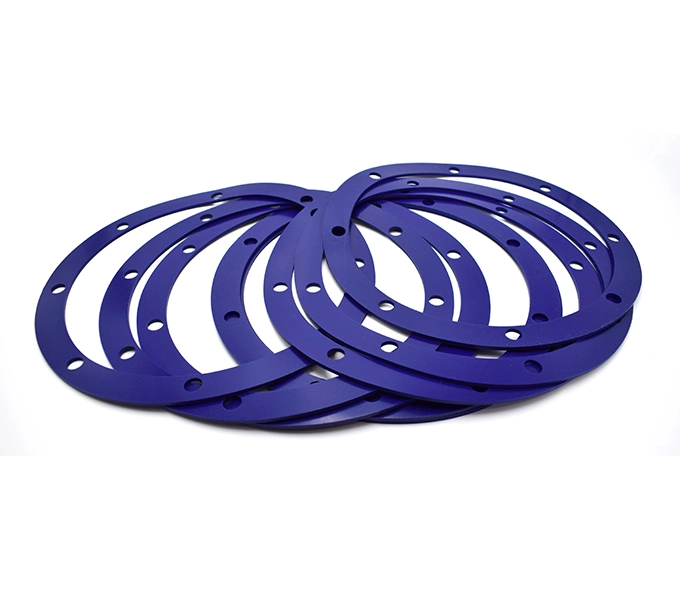
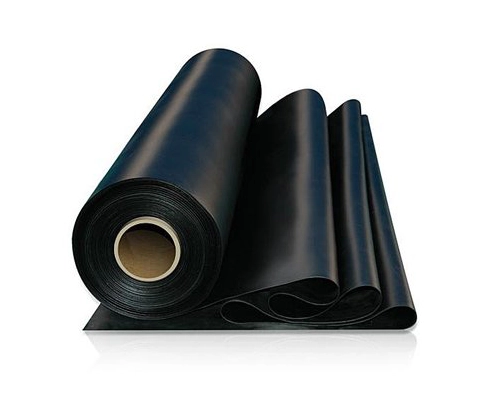
Neoprene Rubber – Balanced Weather and Chemical Resistance
Neoprene (Polychloroprene) offers good weather resistance, UV resistance, and ozone resistance, while also providing moderate resistance to oils and chemicals. This makes it suitable where exposure involves both environmental weathering and contact with certain fluids.
Advantages
- Good durability against UV and ozone
- Good abrasion resistance
- Moderate chemical resistance
Limitations
- Less UV durability than EPDM
- Moderate performance in very cold temperatures
Fluoroelastomers (FKM / Viton) – Premium Outdoor and Chemical Performance
FKM rubbers, including Viton, are premium weather-resistant rubber materials designed for severe environments. They perform well under intense heat, aggressive chemicals, and prolonged outdoor exposure, while maintaining material stability.
Advantages
- Excellent resistance to weathering and ageing
- Outstanding resistance to chemicals and fuels
Limitations
- Higher cost
- Reduced flexibility in extreme cold
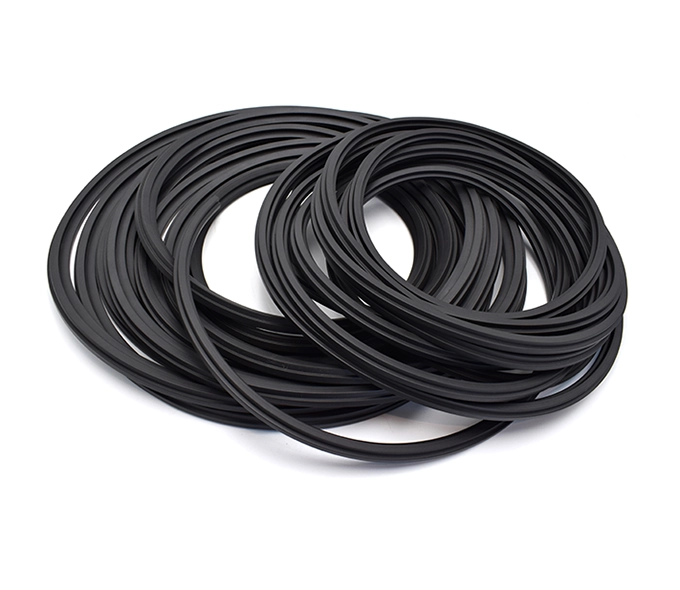
Weather Resistance Comparison
| Rubber Type | UV/Ozone Resistance | Heat | Cold | Chemical Resistance | Cost |
|---|---|---|---|---|---|
| EPDM | Excellent | Good | Good | Poor in oils | Low – Moderate |
| Silicone | Very Good | Excellent | Excellent | Moderate | Moderate – High |
| Neoprene | Good | Moderate | Moderate | Good | Moderate |
| FKM / Viton | Good | Excellent | Moderate | Excellent | High |
How to Choose the Best Weather-Resistant Rubber
Use these straightforward guidelines when selecting outdoor rubber materials:
- For UV-resistant rubber and long-term outdoor exposure: choose EPDM
- For extreme temperature environments: choose Silicone rubber
- For weather plus oil/chemical exposure: choose Neoprene
- For severe heat, chemicals, and weather combined: choose FKM/Viton
Summary
Choosing the best weather-resistant rubber ensures durability, reliability, and reduced maintenance costs. Whether dealing with sunlight, UV exposure, ozone, or harsh outdoor conditions, selecting the right weatherproof rubber material will significantly improve performance and longevity.