Self-Adhesive Gaskets

Key Features
- Self-adhesive backing for quick, easy installation
- Helps prevent gasket movement and misalignment
- Available in solid rubber, sponge and foam materials
- Helps prevent dust, moisture and air leakage
- Reduces the need for separate adhesive application
- Suitable for complex and bespoke gasket shapes
- Choice of adhesive grades and release liners
- Precision cut to drawings, CAD files or samples

Product Description
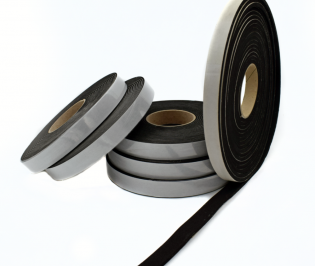
Our self-adhesive gaskets provide a convenient and reliable sealing solution for industrial machinery, equipment housings, electrical enclosures and removable access panels. Manufactured from a range of high-quality rubber, sponge and foam materials, these adhesive-backed gaskets offer effective protection against dust, moisture, air leakage and environmental contaminants when correctly specified and installed.
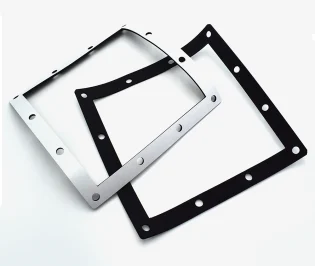
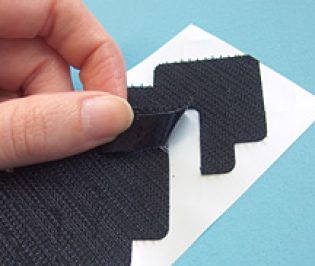
Self-adhesive rubber gaskets feature a pressure-sensitive adhesive backing on one side, protected by a removable release liner. During installation, the liner is peeled away to expose the adhesive, allowing the gasket to be positioned and secured directly onto the adjoining surface. This eliminates the need for separate adhesive application and helps ensure a clean, accurate installation.
The adhesive backing primarily acts as an assembly aid, holding the gasket securely in position during fitting and preventing movement, stretching or misalignment. The gasket material itself provides the primary sealing function when compressed between adjoining surfaces.
We supply bespoke self-adhesive gaskets in a wide range of shapes, sizes, thicknesses and material grades. Our precision cutting and fabrication capabilities enable us to manufacture adhesive-backed rubber gaskets to customer drawings, CAD files or existing samples, providing a tailored sealing solution for specialist industrial applications.
Self-Adhesive Gasket Materials
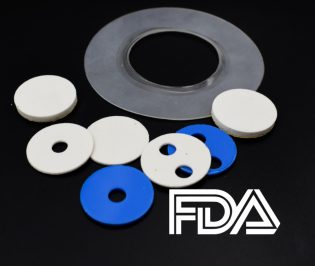
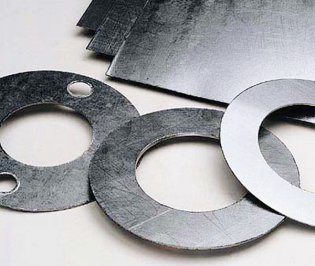
We can manufacture self-adhesive gaskets using a range of rubber, sponge and specialist sealing materials. The appropriate material and adhesive combination depends on the operating temperature, chemical exposure, compression requirements and surface characteristics.
Specialist materials, including FKM (Viton®) and PTFE, may also be available with suitable surface treatments or adhesive systems.
Some materials, particularly silicone rubber and PTFE, require specialist adhesive formulations or surface preparation to achieve reliable adhesion.
Adhesive Backing Options
The Rubber Company can offer different adhesive backing systems depending on the gasket material, installation method and operating conditions.
Acrylic Adhesive
Acrylic pressure-sensitive adhesives provide good long-term bonding performance and are suitable for a wide range of industrial applications. Certain grades offer enhanced resistance to temperature, ageing and environmental exposure. Bond strength typically develops over time after application.
Hot-Melt Adhesive
Hot-melt pressure-sensitive adhesives provide good initial tack, making them useful where quick positioning and immediate adhesion are required. Their suitability for long-term use depends on temperature, substrate and operating conditions.
High-Performance Adhesives
Specialist adhesive systems, including selected 3M adhesive products, may be available for applications requiring enhanced bonding performance, temperature resistance or adhesion to difficult surfaces.
The correct adhesive should be selected according to the gasket material, mounting surface and required service conditions.
Why Choose Self-Adhesive Gaskets?
Self-adhesive gaskets offer several advantages over conventional non-adhesive seals, particularly where accurate positioning and efficient assembly are important.
The adhesive backing helps hold the gasket in place during installation, reducing the risk of movement or deformation before the adjoining components are secured. This is especially useful for vertical mounting surfaces, removable panels and large gasket frames.
Adhesive-backed gaskets can also simplify maintenance and replacement procedures by allowing the seal to remain attached to one component when an enclosure or access panel is opened.
For applications where installation time is limited or access is restricted, self-adhesive gaskets provide a practical method of securing the seal without additional bonding products or equipment.
Bespoke Self-Adhesive Gasket Manufacturing
We manufacture bespoke self-adhesive rubber gaskets and adhesive-backed seals for industrial machinery, electrical equipment, enclosures and specialist engineering applications.
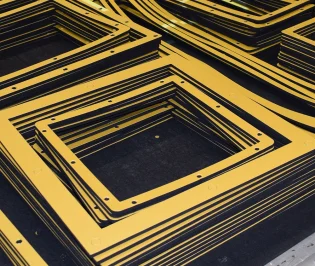
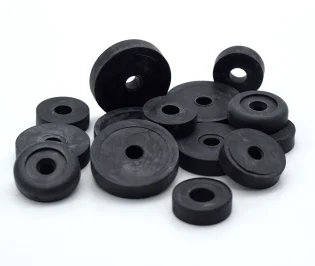
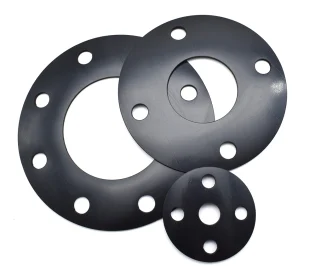
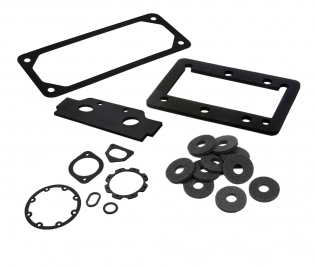
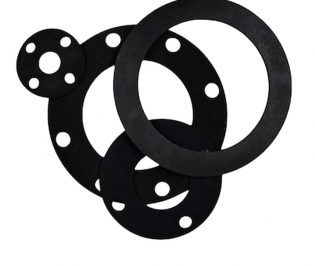
Using precision cutting and fabrication techniques, we can produce adhesive-backed gaskets in a wide variety of shapes, including rectangular picture frame gaskets, circular gaskets, sealing rings and complex profiles.
Our manufacturing capabilities include custom external dimensions, internal cut-outs, fixing holes and material thicknesses. Adhesive backing can be applied to suitable gasket materials, with a choice of adhesive systems and release liners to suit specific applications.
Contact our team with your dimensions, technical drawing or existing gasket sample, along with details of the mounting surface, operating temperature and environmental conditions. We can help identify a suitable gasket material and adhesive backing for your application.
How to Install Self-Adhesive Gaskets
Correct surface preparation and installation are essential for achieving a reliable adhesive bond and maximising gasket performance.
1. Clean the Surface
Thoroughly clean the mounting surface to remove dust, dirt, grease and other contaminants. Use a cleaning agent compatible with both the substrate and adhesive manufacturer’s recommendations. Isopropyl alcohol is commonly suitable for many surfaces.
2. Allow the Surface to Dry
Ensure the mounting surface is completely dry before installation. Residual moisture or cleaning products can significantly reduce adhesive performance.
3. Position the Gasket
Check the gasket dimensions and alignment before removing the release liner. For larger gaskets, remove the liner gradually to maintain accurate positioning.
4. Apply Firm, Even Pressure
Press the gasket firmly onto the mounting surface, working progressively around the seal. Avoid stretching or pulling the gasket during installation, as this may cause shrinkage, lifting or misalignment.
5. Allow the Adhesive to Bond
Some adhesive systems require time to develop their full bond strength. Follow the recommended application temperature, pressure and bonding time for the selected adhesive.
Important: Adhesive backing is generally intended to assist gasket positioning and retention. The required sealing performance depends on the gasket material, compression and condition of the contacting surfaces.
Adhesive Performance & Operating Conditions
The performance of a self-adhesive gasket depends on both the gasket material and the adhesive backing. Temperature, chemical exposure, surface condition and installation method should all be considered when selecting a suitable product.
Temperature Resistance
Standard adhesive systems may have lower operating temperature limits than the gasket material itself. Specialist acrylic and high-temperature adhesive grades are available for more demanding applications, subject to the manufacturer’s specifications.
Chemical Resistance
Adhesive performance can be affected by exposure to oils, fuels, solvents and cleaning chemicals. The adhesive and gasket material should be assessed separately to ensure compatibility with the operating environment.
Shelf Life & Storage
Self-adhesive gasket materials have a finite storage life, which varies according to the adhesive formulation and storage conditions. Materials should generally be stored in a clean, dry environment away from direct sunlight and excessive temperatures.
Always refer to the adhesive manufacturer’s recommended shelf life rather than assuming a universal expiry period.
Surface Compatibility
Adhesion varies between different mounting surfaces. Metals, plastics, painted components and low-surface-energy materials may require different adhesive grades or specialist surface preparation.
FAQs
A self-adhesive gasket is a sealing component with an adhesive layer applied to one side and protected by a removable release liner. The adhesive helps secure the gasket during installation, while the gasket material provides the primary seal.
Yes. We can manufacture bespoke adhesive-backed gaskets in a wide range of shapes, sizes, thicknesses and materials, precision cut to technical drawings, CAD files or existing samples.
Selected self-adhesive gaskets can be used in elevated-temperature environments when manufactured with a suitable gasket material and high-temperature adhesive. Both components must be rated for the intended operating conditions.
Yes, although silicone rubber generally requires specialist adhesive systems or surface treatments due to its low surface energy. Adhesive compatibility should be confirmed before manufacturing.
Adhesive service life depends on the adhesive formulation, mounting surface, operating temperature, environmental exposure and installation conditions. Shelf life and long-term bond performance should be assessed separately.
Most pressure-sensitive adhesive-backed gaskets are intended for single installation. Removing a gasket can damage the adhesive or sealing material, so replacement is generally recommended where reliable sealing is critical.
The Rubber Company supplies custom self-adhesive gaskets and adhesive-backed sealing materials for a wide range of industrial applications.
Potential Applications
- Industrial machinery and equipment housings
- Electrical cabinets and control panels
- Removable access panels and inspection covers
- HVAC units and ventilation equipment
- Automotive components and assemblies
- Marine equipment and protective enclosures
- Electronic displays and appliance housings
- Industrial doors, lids and inspection hatches